

Dental Fillings and Tooth Bonding in Coronado
Seamless Restorations That Look and Feel Natural
Small dental concerns deserve prompt, thoughtful attention. At Isabella Avenue Dentistry, we use tooth-colored composite fillings and dental bonding to repair cavities, chips, and minor cosmetic imperfections so that your smile looks and feels completely natural. Both treatments are gentle, efficient, and designed to preserve as much of your healthy tooth structure as possible. Our Coronado dental team takes the time to ensure that every restoration blends seamlessly with your natural teeth, so you can smile with confidence.
A Simple, Effective Way to Treat Cavities
A dental filling is one of the most common restorative treatments in dentistry, and it is also one of the most straightforward. When a cavity forms in a tooth, the decayed portion needs to be removed and replaced with a filling material that restores the tooth's shape, strength, and function.
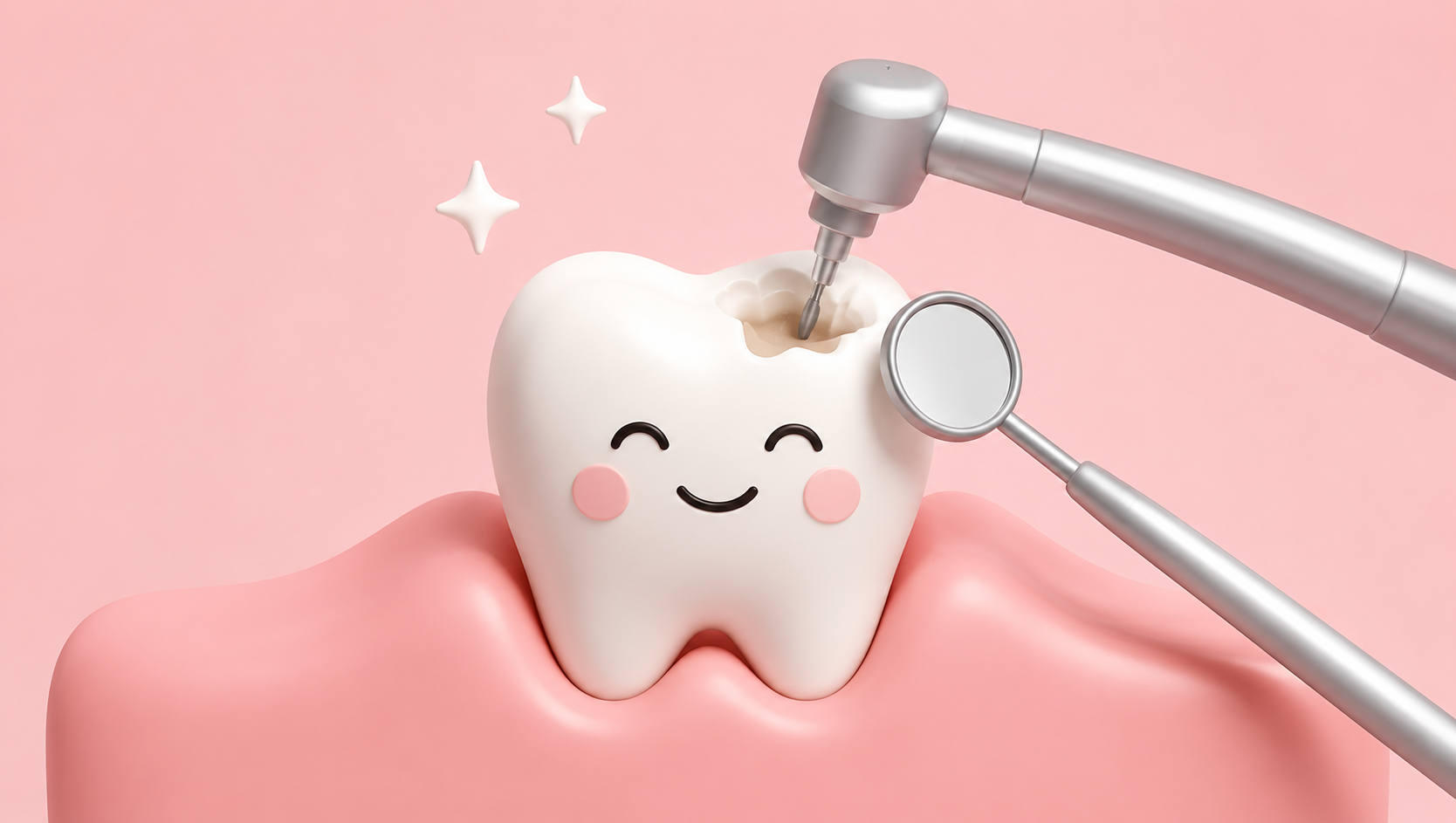
At Isabella Avenue Dentistry, we use tooth-colored composite resin for our fillings rather than traditional silver amalgam. Composite fillings are made from a blend of fine glass particles and resin that is carefully matched to the natural shade of your tooth. Once placed, a composite filling is virtually invisible, giving you a restoration that looks as good as it feels.
Here is how a composite filling is placed:
- Numbing the Area. Our dentists will apply a local anesthetic to ensure that you are completely comfortable throughout the procedure. You should not feel any pain during the treatment.
- Removing the Decay. The decayed portion of the tooth is gently removed, and the remaining healthy tooth structure is carefully cleaned and prepared.
- Placing the Filling. The composite resin is applied in layers and shaped to match the natural contours of your tooth. Each layer is hardened using a special curing light.
- Shaping and Polishing. Once the filling is fully built up, your dentist will refine the shape and polish the surface so that it feels smooth and natural against your bite.
The entire process is typically completed in a single visit and usually takes less than an hour. You can return to your normal activities right away.

A Versatile Cosmetic Solution for Minor Imperfections
Dental bonding is a cosmetic treatment that uses the same tooth-colored composite resin material to correct minor aesthetic concerns. It is one of the most affordable and least invasive cosmetic procedures available, and it can make a meaningful difference in the appearance of your smile.
Bonding is a wonderful option for patients who would like to repair a small chip or crack in a tooth, close a narrow gap between two teeth, improve the shape or length of a tooth that appears uneven, cover areas of discoloration that have not responded to whitening, or protect a portion of a tooth's root that has become exposed due to gum recession.
The bonding process is very similar to the filling process. Your dentist will select a composite resin shade that matches your natural tooth, apply the material directly to the tooth's surface, sculpt it into the desired shape, and harden it with a curing light. The result is a smooth, natural-looking improvement that is completed in a single appointment.
Tooth-Colored Fillings
Repair cavities with composite resin fillings carefully matched to your natural tooth color for a seamless, invisible restoration completed in a single visit.
Dental Bonding
Correct small chips, gaps, and cosmetic imperfections with a gentle, affordable bonding treatment that enhances your smile in about an hour.
Metal Filling Replacement
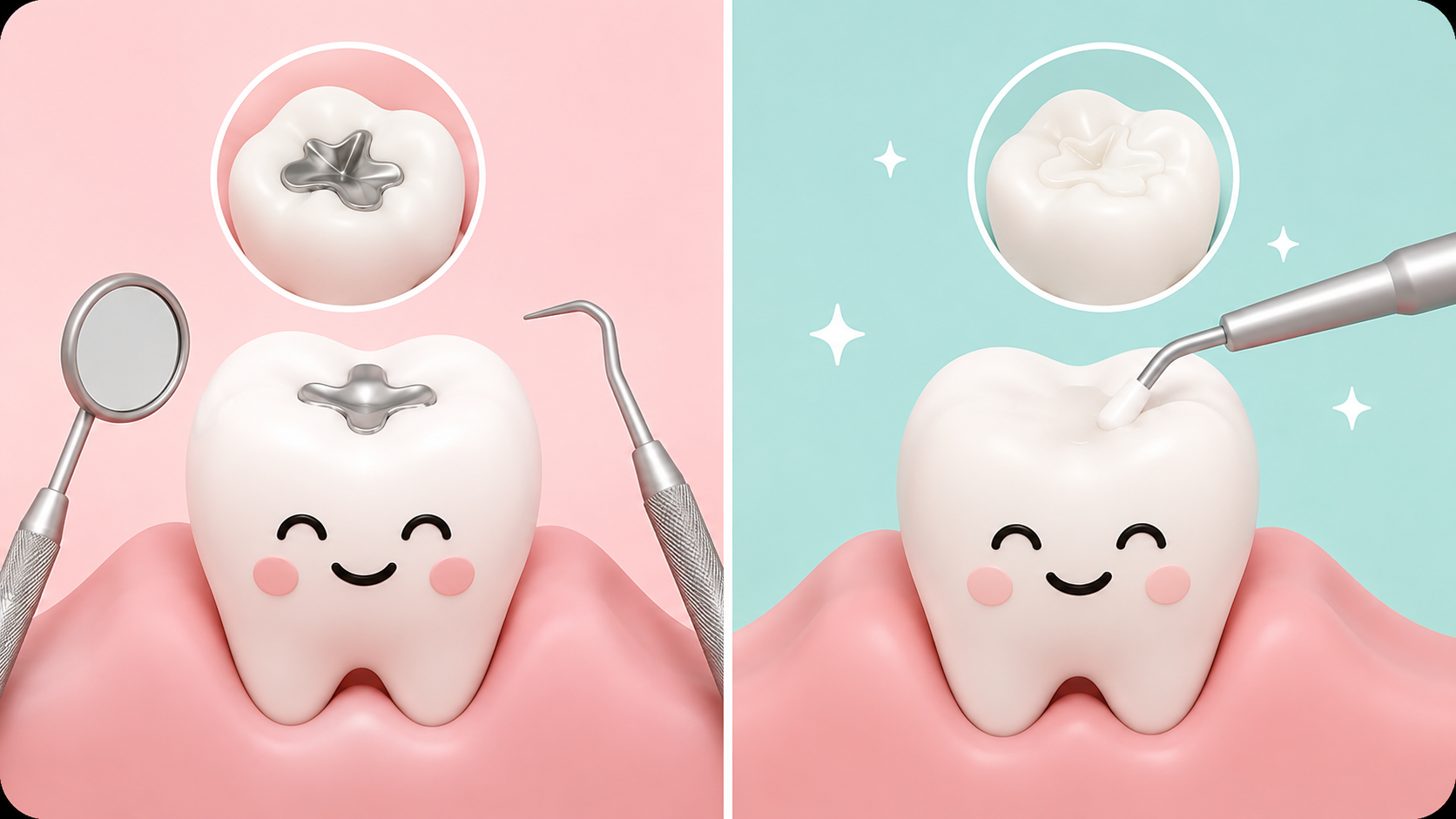
Replace old silver amalgam fillings with natural-looking, tooth-colored composite restorations that blend beautifully with your smile.
Fillings vs. Bonding: Two Treatments, One Beautiful Material
Because dental fillings and dental bonding both use tooth-colored composite resin, patients sometimes wonder how the two treatments differ. The distinction is primarily about purpose. A filling is a restorative treatment used to repair a tooth that has been damaged by decay. The focus is on removing the cavity and rebuilding the tooth's structure. Bonding is a cosmetic treatment used to improve the appearance of a tooth that is structurally sound but has a minor aesthetic imperfection such as a chip, gap, or uneven shape.
In practice, the two treatments overlap quite a bit. The material, the technique, and the results are very similar. During your appointment at our Coronado office, Dr. Leslie Strommer or Dr. Amy Jagger will evaluate your tooth and recommend the approach that best addresses your specific concern.

Detail-Oriented Care in a Warm, Welcoming Setting
Fillings and bonding may be among the most routine treatments in dentistry, but that does not mean the results should feel routine. At Isabella Avenue Dentistry, our dentists bring the same precision and artistry to a composite filling as they do to a full smile makeover. Dr. Strommer's advanced training in cosmetic dentistry through the Kois Center and the Las Vegas Institute means that even your everyday restorations benefit from an eye for aesthetics. Dr. Jagger's gentle technique and attentive chairside manner ensure that you feel comfortable and cared for throughout the process.
Here is what you can expect when you choose our team for your filling orbonding treatment:
Natural-Looking Results. We carefully match the composite resin to the exact shade of your tooth so that your restoration is virtually undetectable. Our dentists take the time to sculpt and polish every filling and bonded surface for a smooth, natural finish.
A Conservative Approach. Our philosophy is to preserve as much of your healthy tooth structure as possible. We remove only what is necessary and restore what remains with materials that bond directly to the tooth for added strength.
Comfort at Every Step. From thorough numbing to a gentle touch, our team is committed to making your experience as comfortable as possible. If you tend to feel nervous about dental work, please let us know so we can take extra care to put you at ease.
Efficient Appointments. Both fillings and bonding are completed in a single visit, and most appointments take less than an hour. We respect your time and work efficiently without ever rushing your care.
Replacing Old Metal Fillings
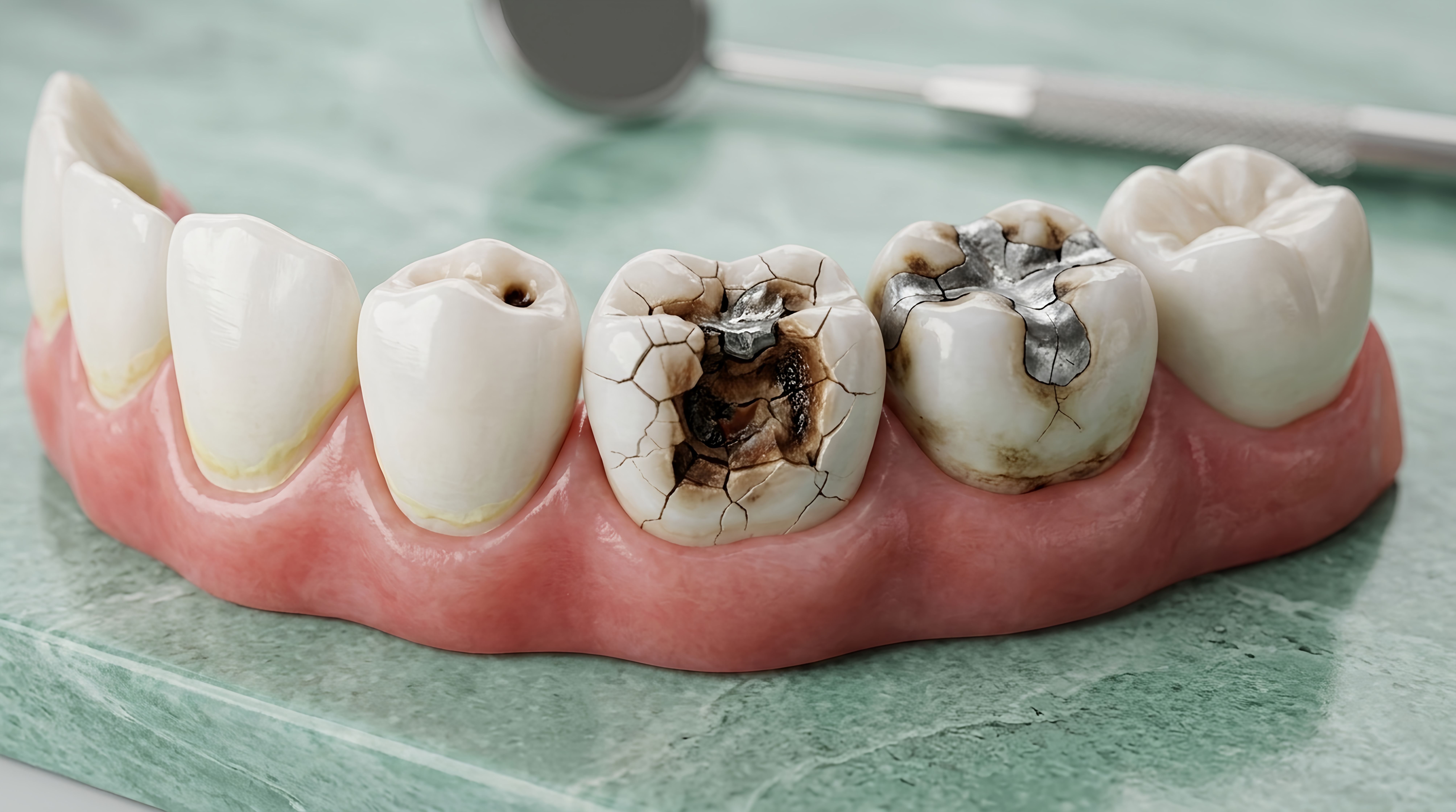
If you have older silver amalgam fillings, you may have noticed that they have darkened over time or that the surrounding tooth structure has developed a grayish tint. Many patients choose to replace their old metal fillings with tooth-colored composite restorations for both aesthetic and functional reasons.
Composite fillings bond directly to the tooth, which can help reinforce the remaining structure in a way that amalgam fillings do not. They also expand and contract with temperature changes at a rate that is closer to your natural tooth, which can reduce the risk of cracking over time.
If you are interested in replacing your metal fillings, our dentists will evaluate each filling individually and recommend replacement only when it is beneficial for the health and appearance of your tooth. We never recommend unnecessary treatment.
Frequently Asked Questions
How long do composite fillings last?
With proper care, including regular brushing, flossing, and dental checkups, tooth-colored composite fillings typically last five to ten years or longer. The lifespan of your filling depends on factors such as its size, its location in your mouth, and your everyday habits.
How long does dental bonding last?
Dental bonding typically lasts three to seven years, depending on the location of the bonded area and how well it is maintained.Bonding on a front tooth that is not subject to heavy biting force tends to last longer than bonding on a tooth that bears more pressure. Touch-ups and replacements are simple when needed.
Will my filling or bonding be noticeable?
Composite resin is carefully matched to the color of your natural tooth, so your filling or bonded area will blend in seamlessly. Most people will not be able to tell that any work has been done.
Does getting a filling or bonding hurt?
Both treatments are gentle and well tolerated by most patients. For fillings, we use a local anesthetic to numb the treatment area completely so that you do not feel any discomfort during the procedure. Bonding often does not require anesthesia at all, since the process does not involve drilling into the tooth.
Can bonding fix larger cosmetic concerns?
Dental bonding is best suited for minor imperfections such as small chips, narrow gaps, and slight unevenness. For more significant cosmetic changes, our dentists may recommend porcelain veneers or crowns, which offer greater durability and a wider range of aesthetic possibilities. During your consultation, we will help you determine which option is the best fit for your goals.
Are fillings and bonding covered by dental insurance?
Most dental insurance plans cover composite fillings as part of standard restorative care. Coverage for bonding can vary depending on whether the treatment is classified as restorative or cosmetic. Our team will help you understand your benefits and explore payment options. Our Isabella Care Plan is also available for patients without dental insurance.